


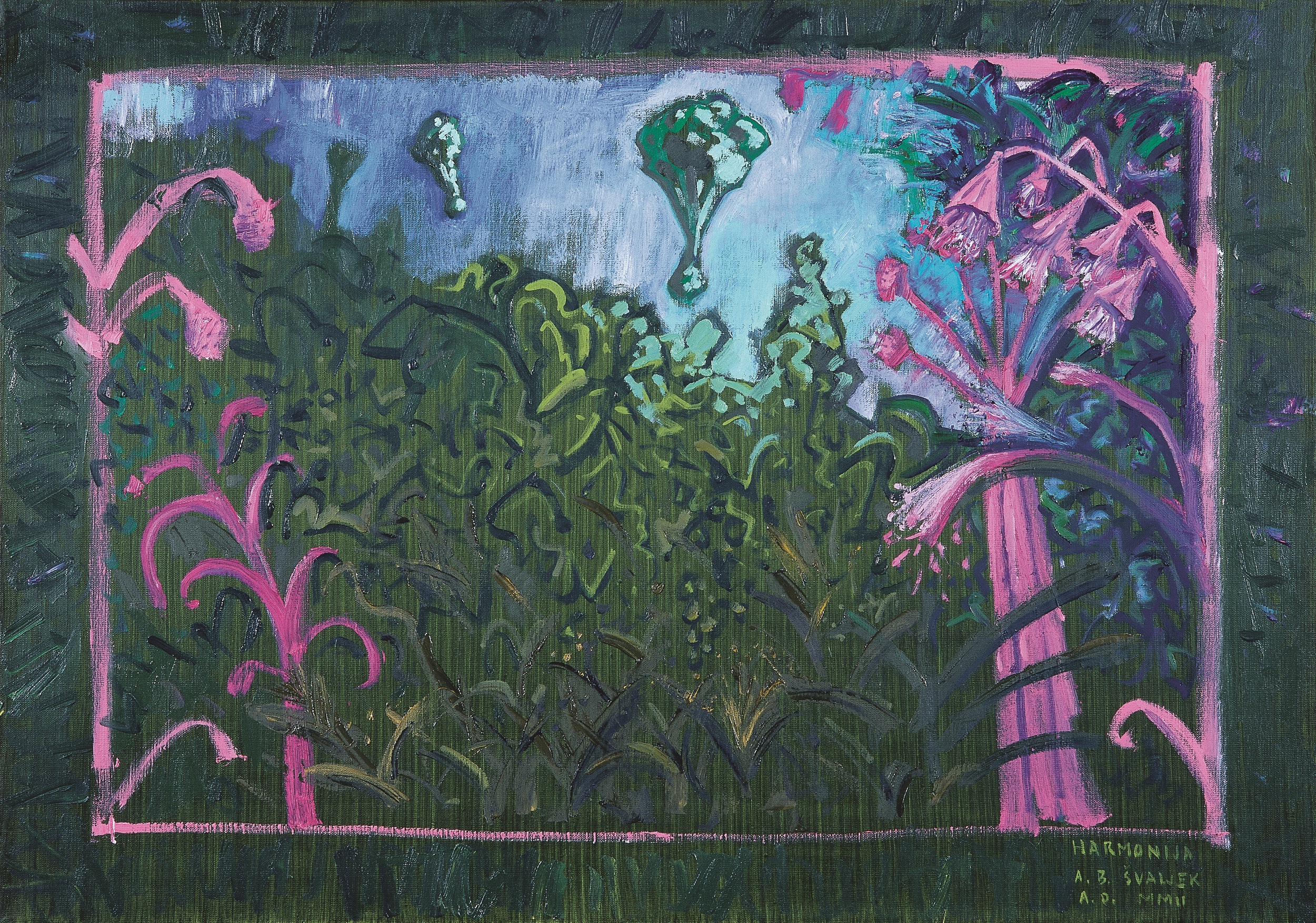
Ausstellung zeitgenössischer kroatischer Kunst aus der Sammlung von Dagmar Meneghello
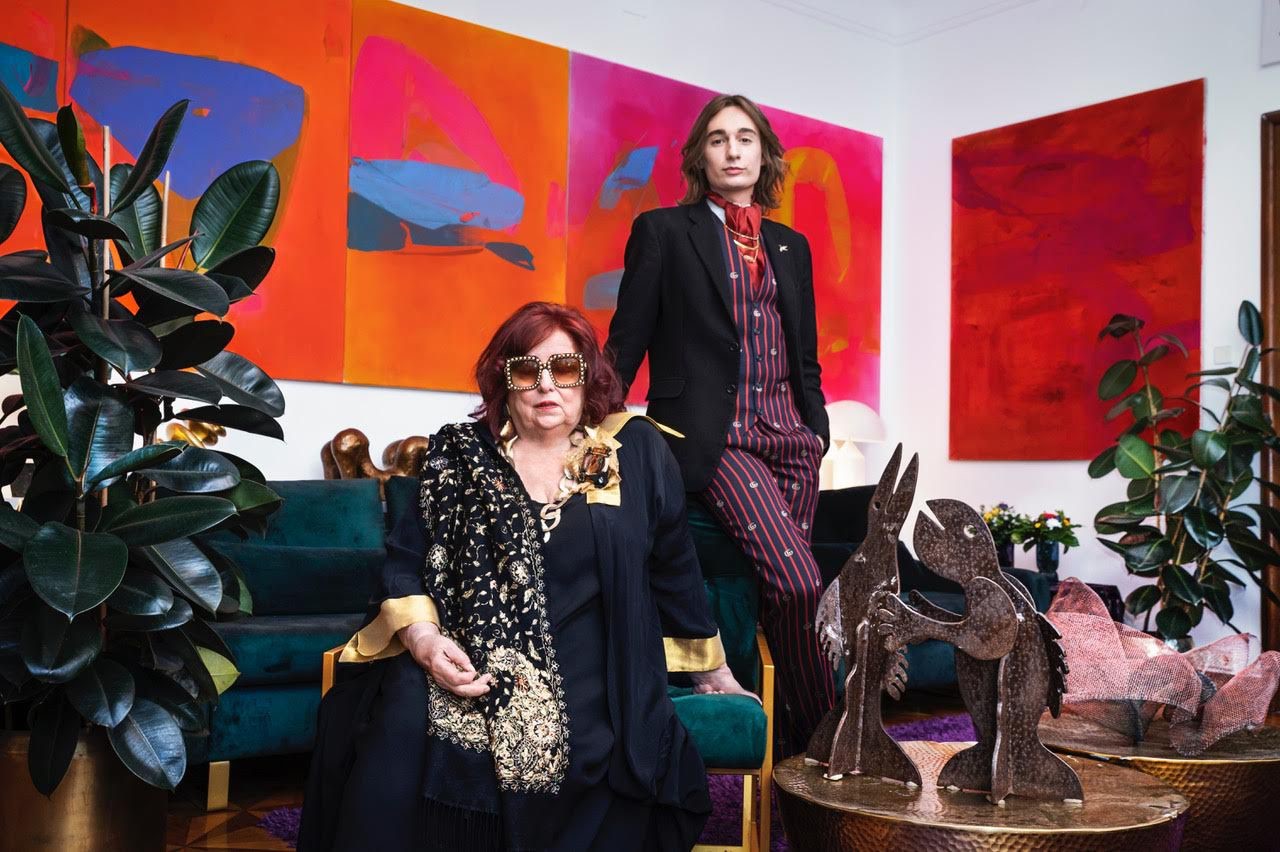
Die Ausstellung SCHAUM DER TAGE ist an der Schnittstelle von Kunst und Leben angesiedelt, dort, wo der Raum zum Spiegel der inneren Welt wird – wie der Raum im gleichnamigen Roman von Boris Vian, der im Gleichklang mit den Emotionen seiner Figuren atmet, wächst und vergeht. In diesem Sinne präsentiert sie den zeitgenössischen Salon der kroatischen Galeristin und Sammlerin Dagmar Meneghello. Er ist nicht nur ein physischer Ort, sondern ein lebender Organismus, pulsierend zwischen Intimität und Idee, zwischen individueller Vision und kulturellem Akt des Widerstands. In ihm ist Kunst keine Verzierung, sondern Atem – ein Atem gegen das Vergessen, gegen den Markt und gegen die Entropie des Geistes.
Wie Vians „Schaum der Tage“ eine Parabel über Liebe, Vergänglichkeit und geistige Sensibilität ist, so ist Dagmar Meneghellos Lebenswerk eine kroatische und zeitgenössische Variante davon: eine Liebe, die sich in zeitgenössische Kunst verwandelt; ihre Bucht Palmižana auf der Insel Sveti Klement, die zu einem Laboratorium der Ideen wird; und ihr Salon – ein Bereich zwischen Traum und Denken. Chloé, Vians Heldin, fällt einer Seerose zum Opfer, die in ihrer Lunge wächst; mit Chloé welkt und stirbt auch der Raum. Im Salon von Dagmar Meneghello jedoch ist diese Blume keine Metapher des Todes, sondern eine Metapher des Widerstands – Kunst als Heilmittel gegen die geistige Atrophie.
In ihrer abgelegenen Bucht Palmižana, fern von institutionellen Strukturen und einst am Rande der Zivilisation, erschuf Dagmar Meneghello über sechs Jahrzehnte hinweg etwas, das man Inselakademie nennen könnte: einen Raum der Freiheit und des Dialogs, ein Laboratorium für Kreativität, die die Grenzen künstlerischer Medien überschreitet. Dort arbeiteten Maler*innen, Bildhauer*innen, Intellektuelle, Dichter*innen und Musiker*innen im Rhythmus des Meeres, in Meneghellos Salon unter freiem Himmel, mitten in einem Robinson-Archipel vor der Adriaküste. Der Salon knüpfte an eine europäische Tradition an, nahm in der Bucht Palmižana aber eine mediterrane Gestalt an und wurde zu einem Ort, an dem aus Chaos Individualität geboren wurde. Dagmar Meneghello schuf Ordnung im Ungeordneten, ein ästhetisches Gefüge inmitten posttotalitärer Brüchigkeit. Ihre Arbeit war ein existenzielles Projekt, ein Akt moralischer Imagination – Kunst als Gegengift für Banalität.
Die Ausstellung SCHAUM DER TAGE präsentiert den Salon von Dagmar Meneghello als zeitgenössische Neuinterpretation einer langen europäischen Tradition – von den Pariser Salons einer Madame de Staël bis zu den Wiener Salons einer Fanny von Arnstein oder Berta Zuckerkandl. Wie ihre Vorgängerinnen machte auch die zeitgenössische Salonnière Dagmar Meneghello ihren Raum zu einem Ort der Emanzipation, einem Haus, in dem Denken und Ästhetik sich an einen Tisch setzen. Mit der Eröffnung des Salons in der Villa Rein in Zagreb im Jahr 2021 wurde Palmižana in die Stadt verpflanzt. Es ist ein Ort, an dem intime Gespräche über Kunst und regelmäßige Präsentationen von Werken aus der Sammlung zu öffentlichen Kulturveranstaltungen werden.
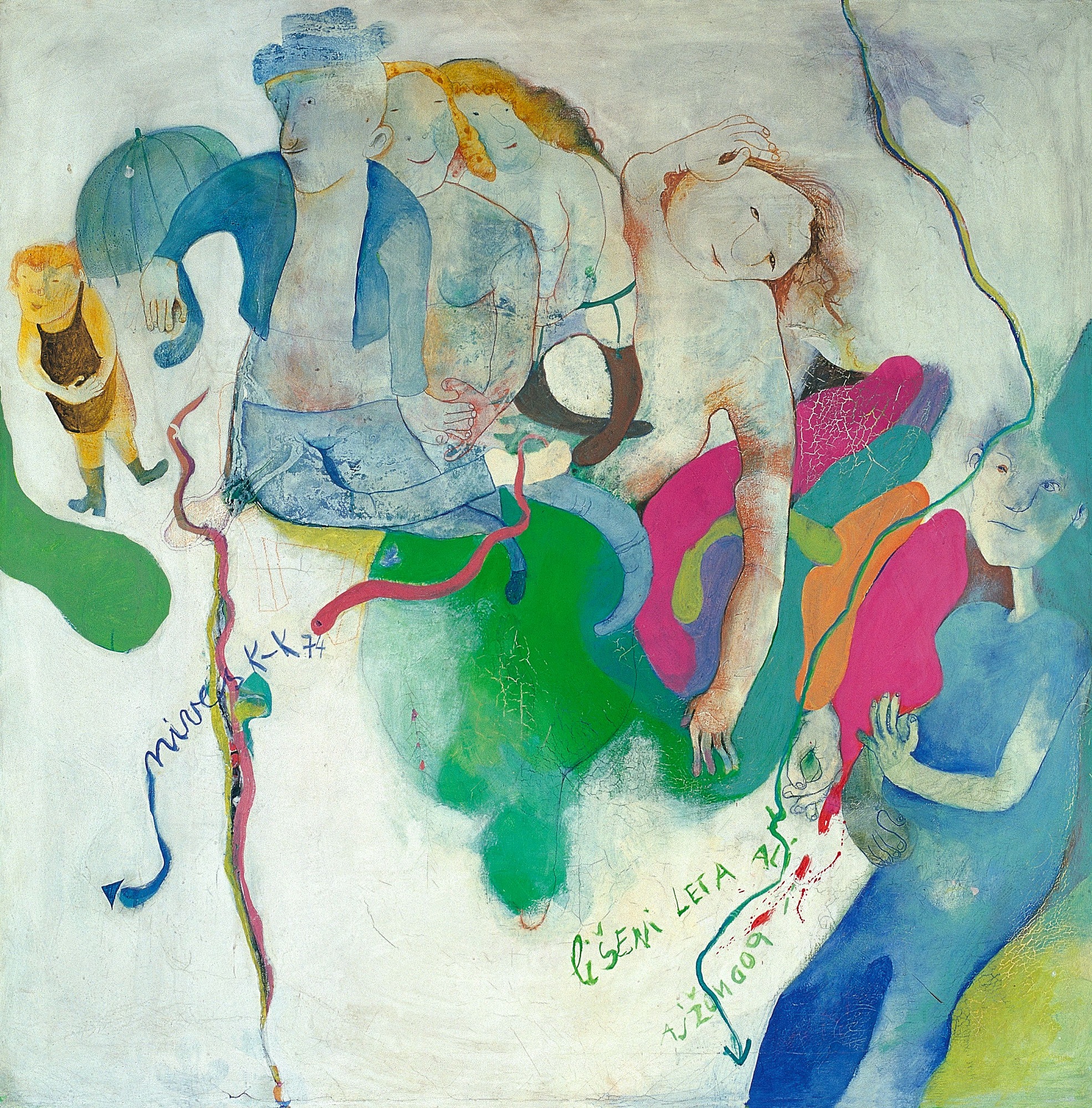
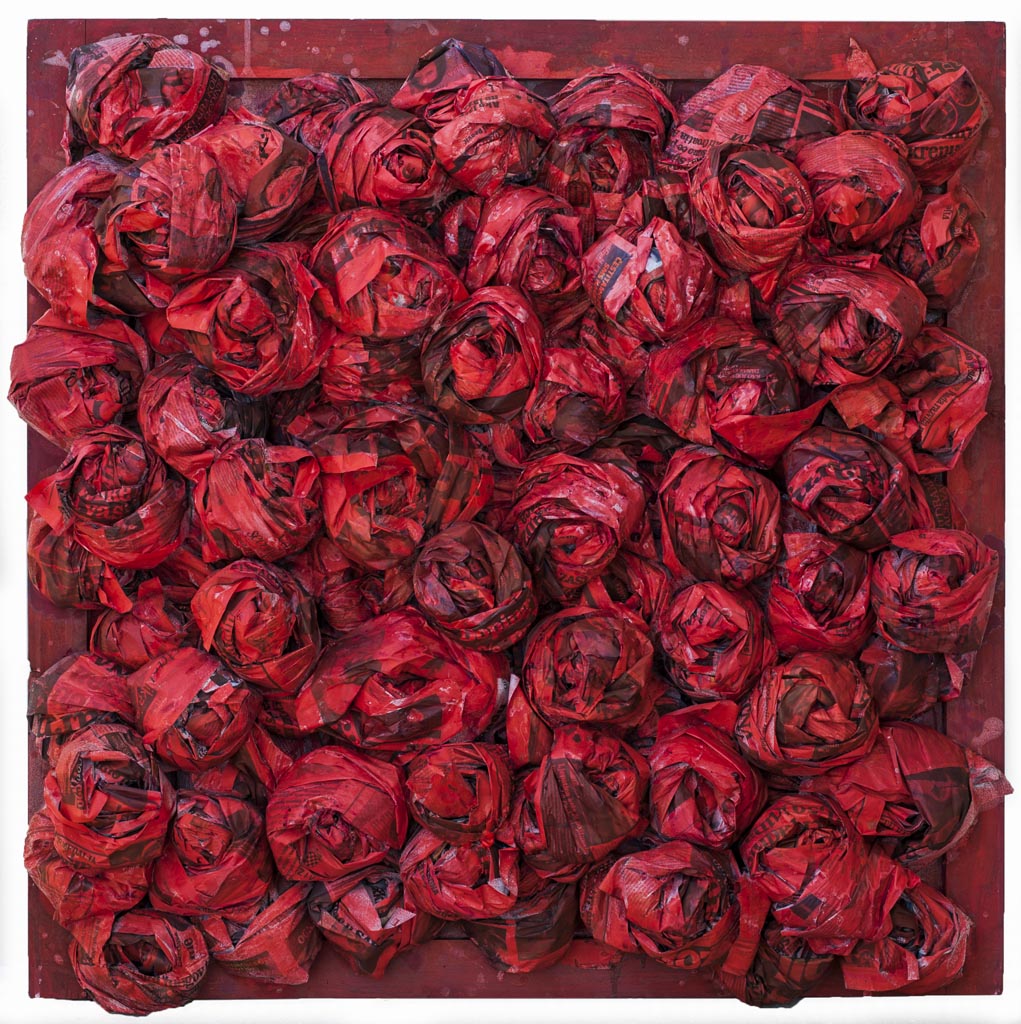
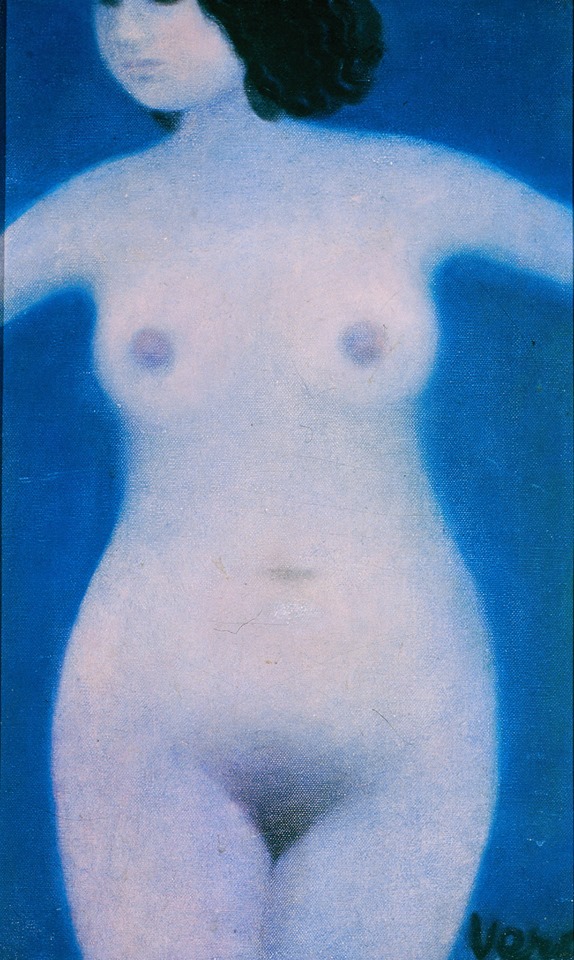
Die Sammlung Dagmar Meneghello umfasst über 3.000 Werke, doch Zahlen können in diesem Fall trügen. Es handelt sich nicht um ein Inventar, sondern um einen Körper – ein atmendes System, das über Begegnungen, Gespräche und Emotionen funktioniert. In dieser Sammlung pulsiert jedes Werk in seinem eigenen Rhythmus, und ihre Sammelleidenschaft ist zu einer Form von Ethik geworden, geleitet von Instinkt, Intuition und Liebe. Deshalb ist die Sammlung weder linear aufgebaut noch marktorientiert – sie ist wie ein Geflecht, organisch, vielgestaltig, intuitiv und zusammengetragen mit Leidenschaft.
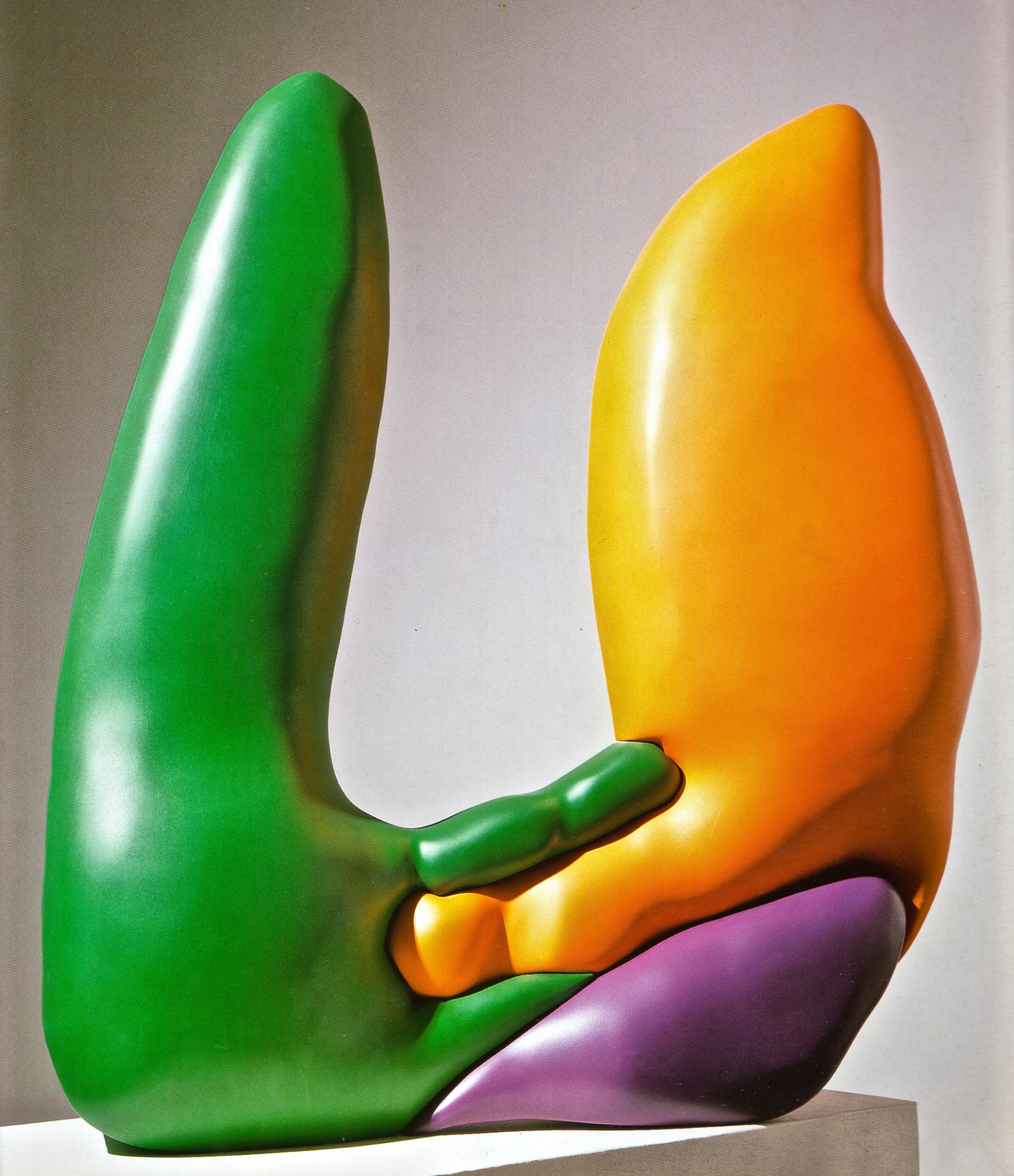
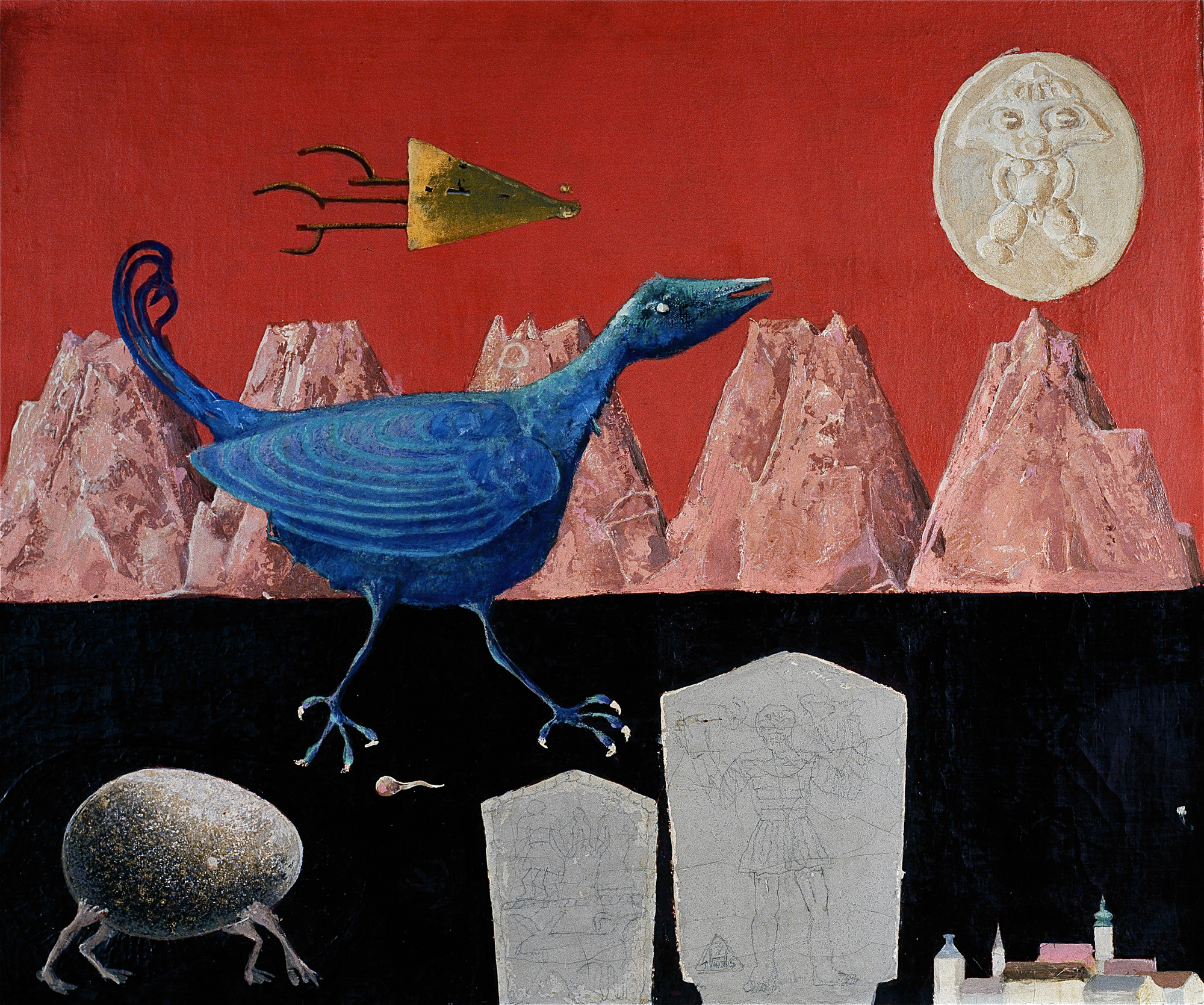
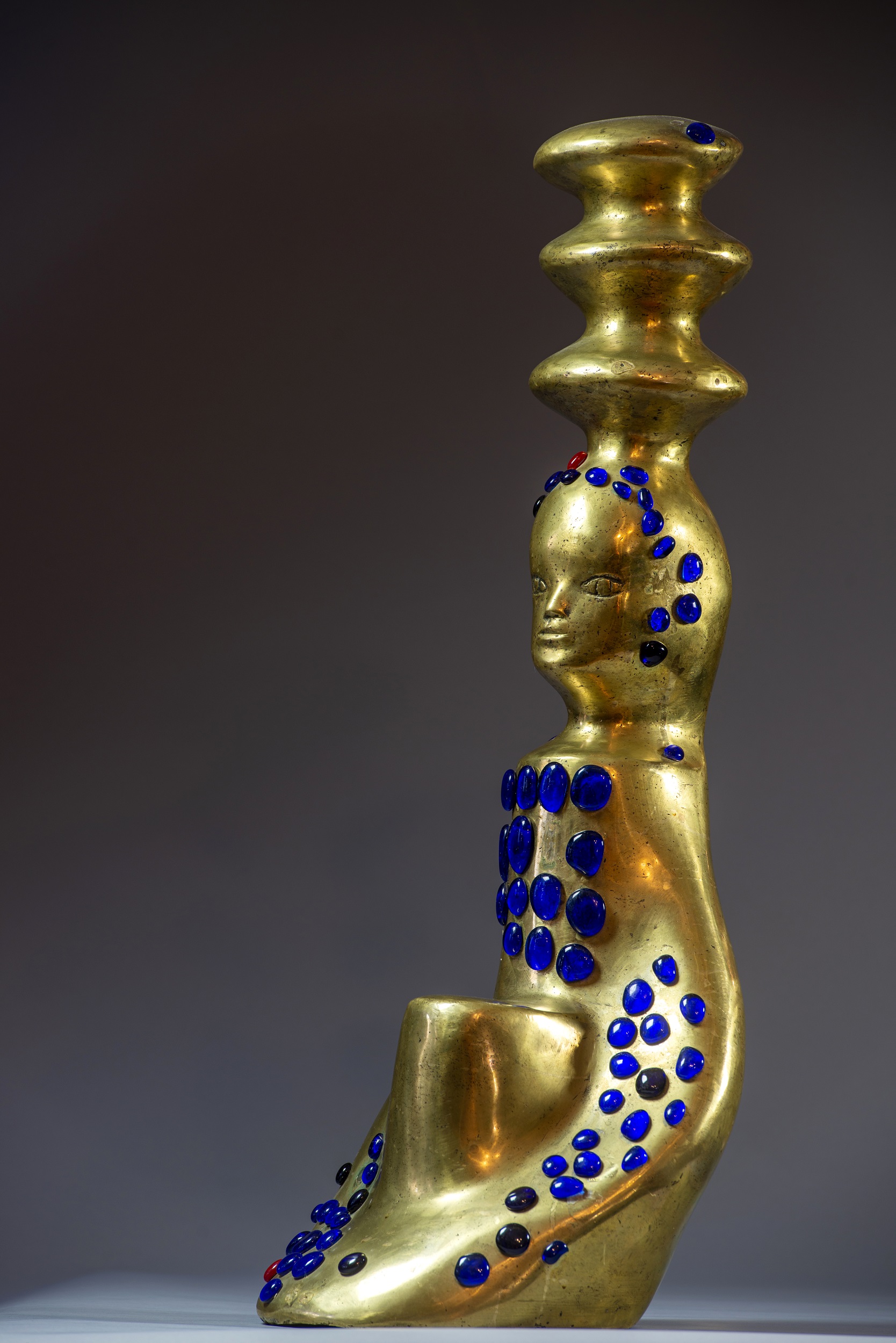
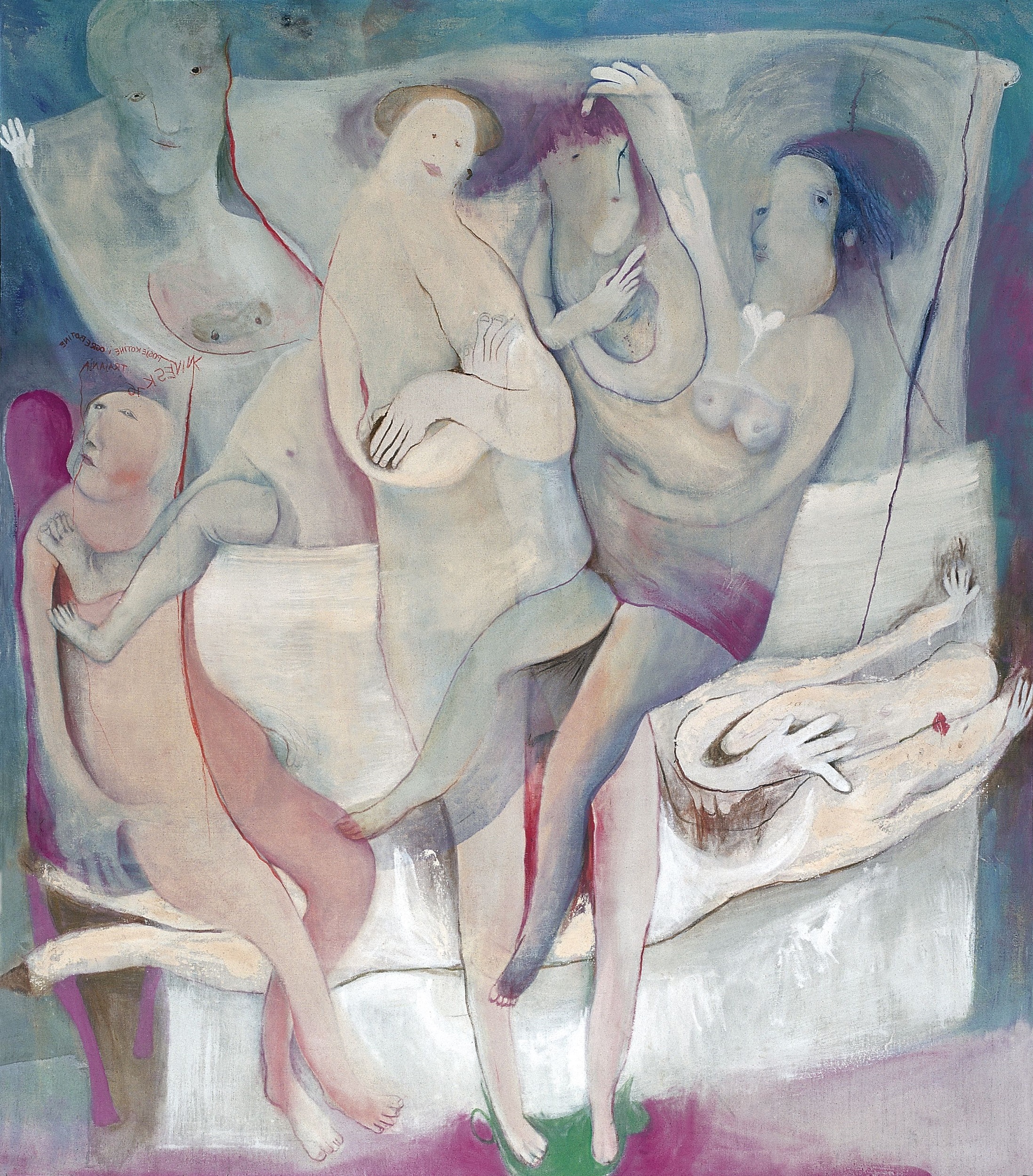
In der Ausstellung SCHAUM DER TAGE ist erstmals in Wien eine prachtvolle Auswahl jüngerer kroatischer Malerei und Skulptur zu sehen. Darin erweist sich die kroatische Kunst – zwischen Mittelmeer und Mitteleuropa, zwischen Intimität und Institution – als Lebenspuls der europäischen Kultur, als gleichwertiger Teil des europäischen kulturellen Gefüges und zugleich als Topologie der intimen Beziehung einer Frau zu Kunst und Kultur.
Mit freundlicher Unterstützung des Ministeriums für Kultur und Medien der Republik Kroatien, des Ministeriums für auswärtige und europäische Angelegenheiten der Republik Kroatien, des Ministeriums für Tourismus und Sport der Republik Kroatien, der Botschaft der Republik Kroatien in Österreich, des Tourismusverbands Zagreb, Hanza Media und Jutarnji List
English:
Exhibition of Contemporary Croatian Art from the Collection of Dagmar Meneghello
FROTH ON THE DAYDREAM unfolds at the intersection of art and life – at the very point where space becomes a mirror of the inner world, much like the space in Boris Vian’s novel of the same name, which breathes, grows, and fades in unison with the emotions of its characters. In this way, the exhibition presents the contemporary salon of Croatian gallerist and collector Dagmar Meneghello. It is not merely a physical environment but a living organism, pulsating between intimacy and idea, between personal vision and an act of cultural resistance. Within it, art is not an ornament but a breath – a breath against oblivion, against the market, against the entropy of the spirit.
Just as Vian’s Froth on the Daydream serves as a parable of love, transience, and spiritual sensitivity, so too may the life work of Dagmar Meneghello be seen as a Croatian and contemporary variation of that parable: a love transformed into contemporary art; her Bay of Palmižana on the island of Sveti Klement as a laboratory of ideas; and her salon – a field between dream and thought. Chloé, Vian’s fragile heroine, succumbs to a water lily growing in her lungs; within her, too, space withers and dies. In Dagmar Meneghello’s salon, however, this flower is not a metaphor of death, but a metaphor of resistance – art as a cure for spiritual atrophy.
In her secluded Bay of Palmižana, far from institutional frameworks and once at the very edge of civilization, Dagmar Meneghello created, over six decades, what might be called an island academy – a space of freedom and dialogue, a laboratory of creativity transcending the boundaries of artistic media. Here, painters, sculptors, intellectuals, poets, and musicians worked to the rhythm of the sea, in her open-air salon amidst the Robinson-like archipelago of the Adriatic coast. The salon, in a continuation of a European tradition, took on a Mediterranean form in the Bay of Palmižana, becoming a place where individuality was born from chaos. Dagmar Meneghello created order within disorder, an aesthetic structure amidst post-totalitarian fragility. Her work was an existential project, an act of moral imagination – art as an antidote to banality.
FROTH ON THE DAYDREAM presents Dagmar Meneghello’s salon as a contemporary reinterpretation of a long European history – from the salons of Madame de Staël in Paris to those of Fanny von Arnstein and Berta Zuckerkandl in Vienna. Like her predecessors, the contemporary salonnière Dagmar Meneghello has shaped her space to be a site of emancipation, a home where thought and aesthetics share the same table. The Villa Rein salon in Zagreb, inaugurated in 2021, transplanted Palmižana into the city – a place where intimate conversations on art and regular presentations of works from her collection are transformed into public cultural acts.
The Dagmar Meneghello Collection comprises more than 3,000 works of art; yet in this case, numbers are deceptive. It is not an inventory, but a body – a living, breathing system that functions through encounters, conversations, and emotions. Within the collection, each work pulsates to its own rhythm. Meneghello’s passion for collecting has become a form of ethics, guided by instinct, intuition, and love. Her collection is thus neither linear nor market-oriented – it is rhizomatic, organic, diverse, put together intuitively and passionately.
FROTH ON THE DAYDREAM presents, for the first time in Vienna, a splendid anthology of contemporary Croatian painting and sculpture. Situated between the Mediterranean and Central Europe, between intimacy and institution, Croatian art – embodied in this modern-day salon – emerges as a living pulse of European culture, an equal constituent of the European cultural fabric, and at the same time a topology of a woman’s intimate relationship to art and culture.
With kind support by the Ministry of Culture and Media of the Republic of Croatia, the Ministry of Foreign and European Affairs of the Republic of Croatia, Ministry of Tourism and Sport of the Republic of Croatia, the Embassy of the Republic of Croatia in Austria, the Zagreb Tourist Board, Hanza Media, and Jutarnji List